PwC Game Assessment: The Tests, What They Measure & How to Practice
Sitting a PwC online assessment for a graduate scheme, Flying Start or internship? What Career Unlocked — PwC's Arctic Shores game battery — actually measures, and the cognitive skills you can train before test day.
Are you actually ready for this one?
See where you stand overall and which game to fix first — free, no sign-up.
Want this whole assessment as one timed run, one attempt per game? We're deciding whether to build it — get early access.
TL;DR: PwC's game-based stage for graduate, internship and Flying Start applicants is Career Unlocked, built by Arctic Shores — a set of short browser games that read behavioural tendencies alongside numerical and abstract reasoning, with no obviously right answers. Some routes and regions add separately timed ability tests instead of, or on top of, the games. You cannot revise the answers, but the cognitive half rewards knowing the mechanics before the clock starts.
If you have applied to PwC's graduate scheme, an undergraduate internship, or the Flying Start degree programme, an online assessment usually lands in your inbox a few days after your application clears the initial screen. The game-based part is Career Unlocked, which PwC runs on the Arctic Shores platform: roughly ten short tasks that collect thousands of small behavioural data points as you play, rather than marking answers right or wrong. A recorded video interview usually follows. Some lines of service and regions also send conventional, separately timed ability tests, so the exact mix depends on your route (Audit, Tax, Consulting, Technology) and where you applied. Treat everything below as a map, not a timetable — the precise steps and time limits vary by programme and country, so always trust the instructions in your invite email over any general guide.
What the assessment looks like
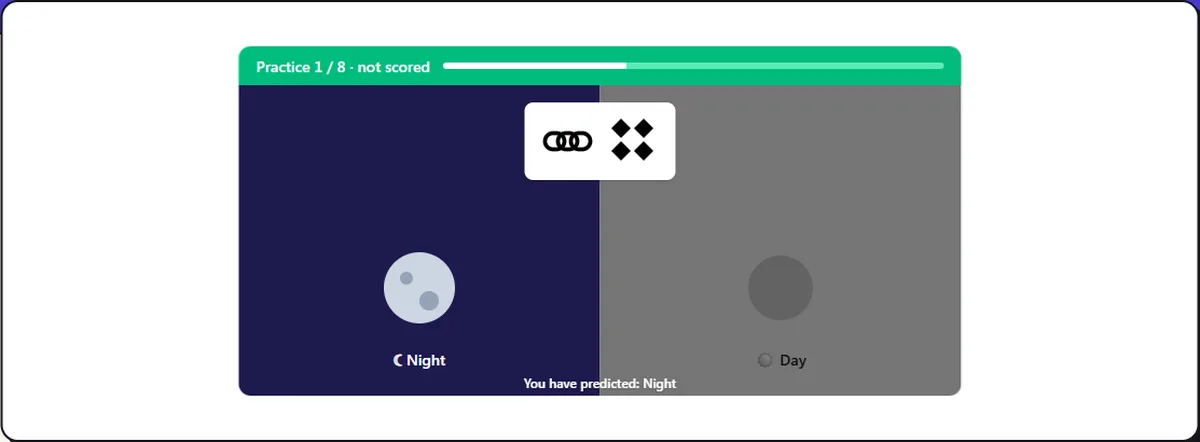
Where a route sends conventional ability tests instead, they are short, separately timed adaptive modules — typically a numerical reasoning test, a logical/inductive test, and sometimes a checking or verbal module. Each runs on a tight per-question timer: you answer under pressure, and the difficulty adapts to how you are doing. There is no long "study syllabus" because these measure reasoning speed and accuracy, not memorised facts. If HireVue games appear, expect short browser tasks that measure attention, processing speed and numerical fluency, and possibly an on-demand video interview where you record answers to preset questions.
Two consequences follow from the fact these tools measure aptitude rather than knowledge. First, you cannot revise the "answers" — but you absolutely can train the underlying skills so your speed and accuracy climb. Second, there is rarely a published pass mark you can see; scores are benchmarked against other candidates. If that uncertainty bothers you, read can you fail a game assessment for a calmer framing.
The games that decide most, and how to train them
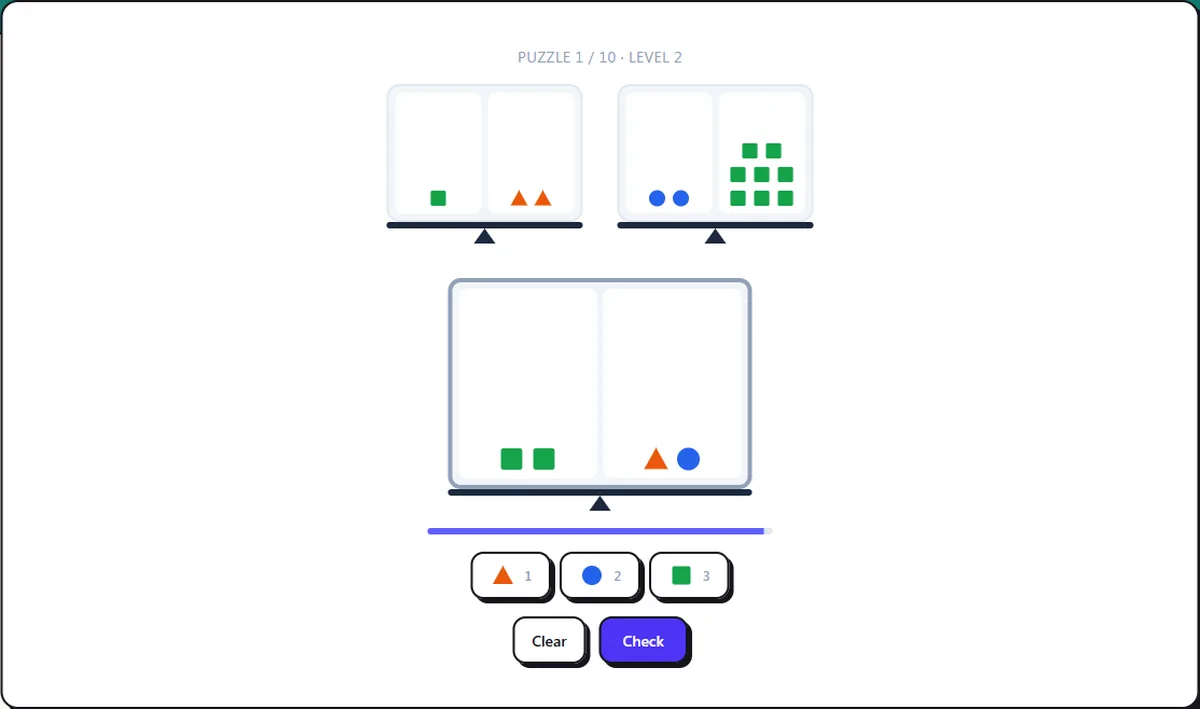
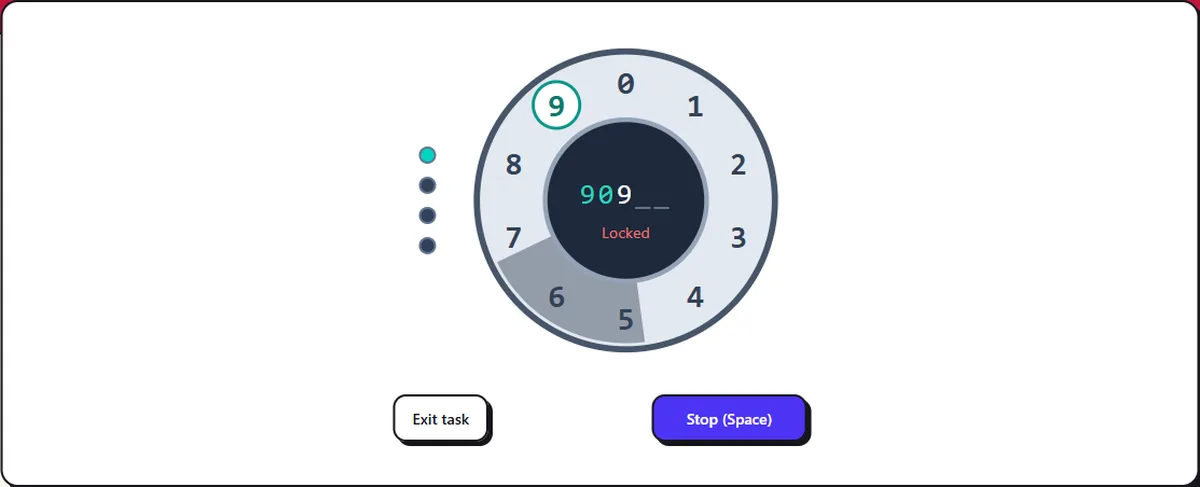
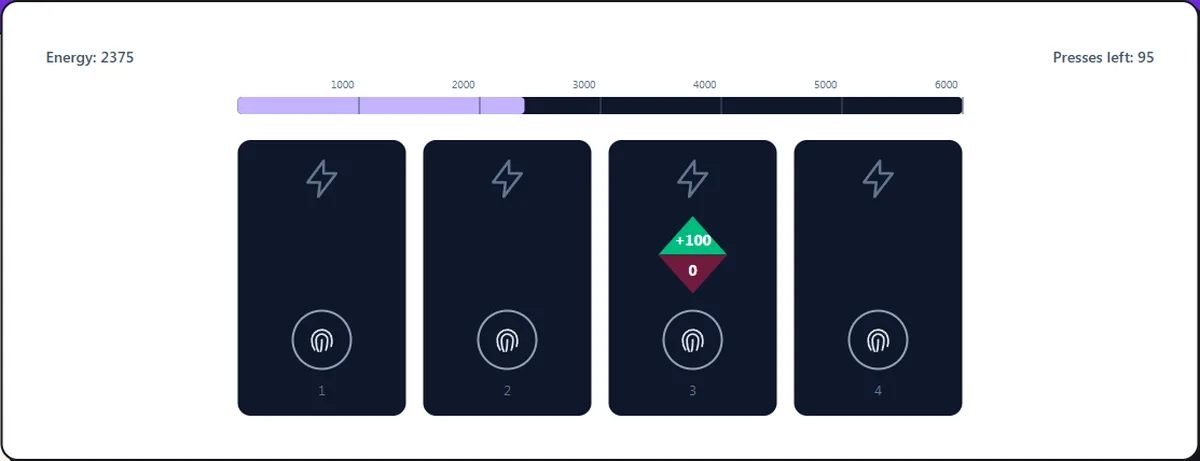
Numerosity trains the quick number sense behind estimation-heavy questions: you combine and judge quantities against a target under time pressure. That rapid magnitude intuition is exactly what makes the numerical tasks feel less frantic. Build it at /practice/numerosity.
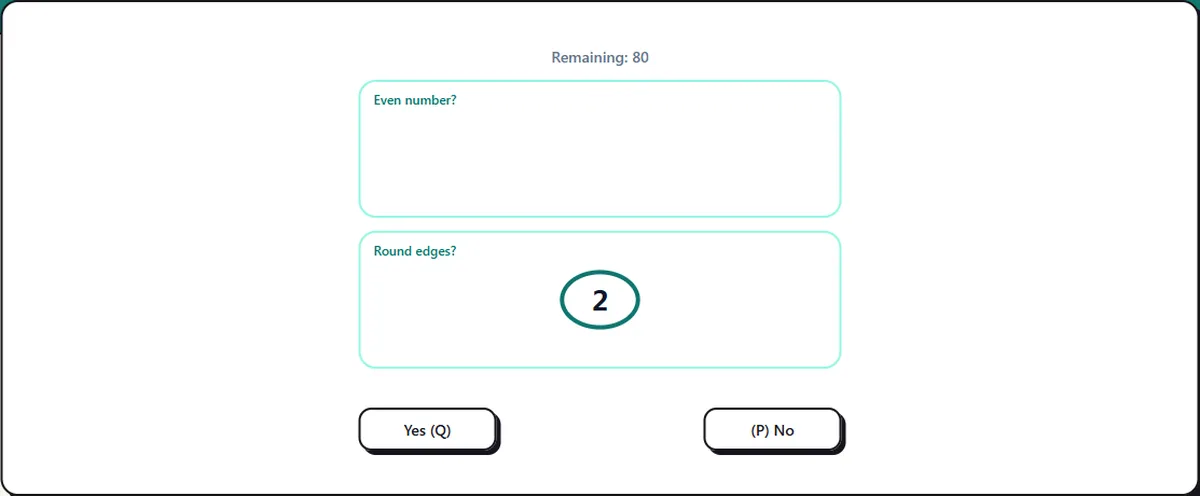
Mental math and numerical fluency is the single highest-leverage skill for a PwC-style numerical test. Fast, accurate arithmetic — percentages, ratios, running totals — is what separates candidates who finish from those who run out of clock. Drill it at /practice/mental-math-numerical.
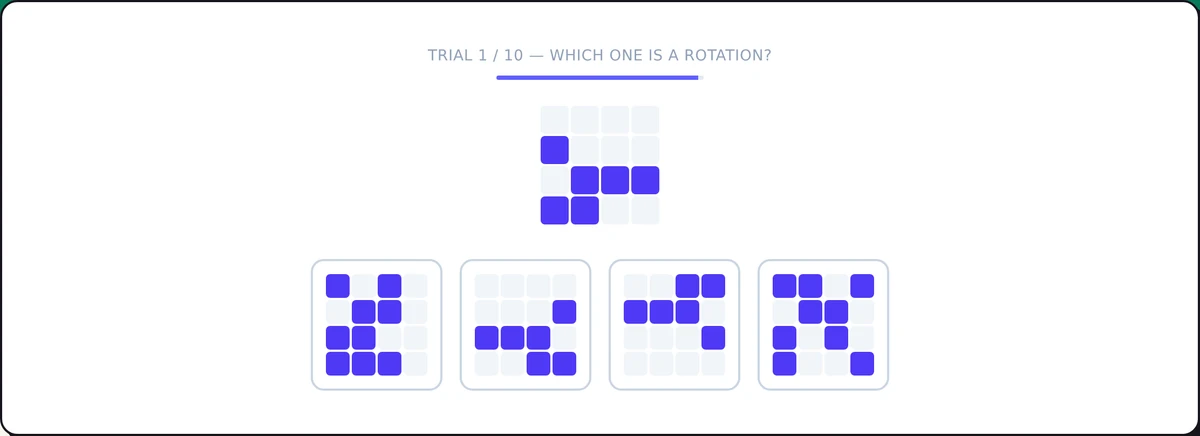
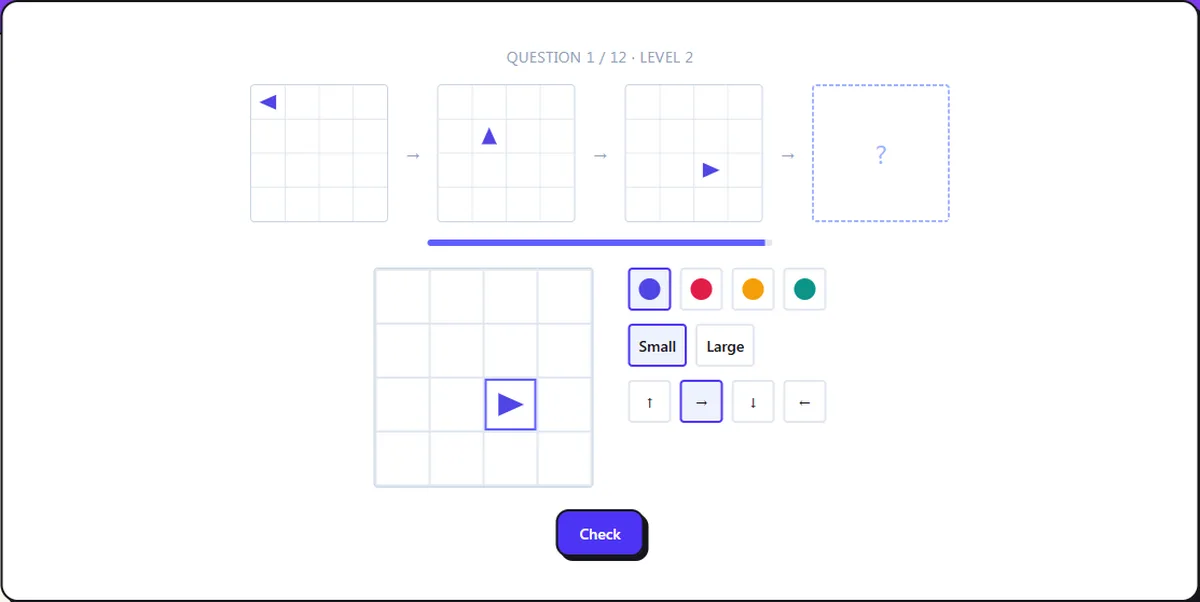
Mental rotation (ShapeDance) covers the spatial-reasoning and abstract-pattern items that show up in inductive/logical modules. Rotating shapes in your head quickly is a trainable reflex. Practise at /practice/shapedance-mental-rotation.
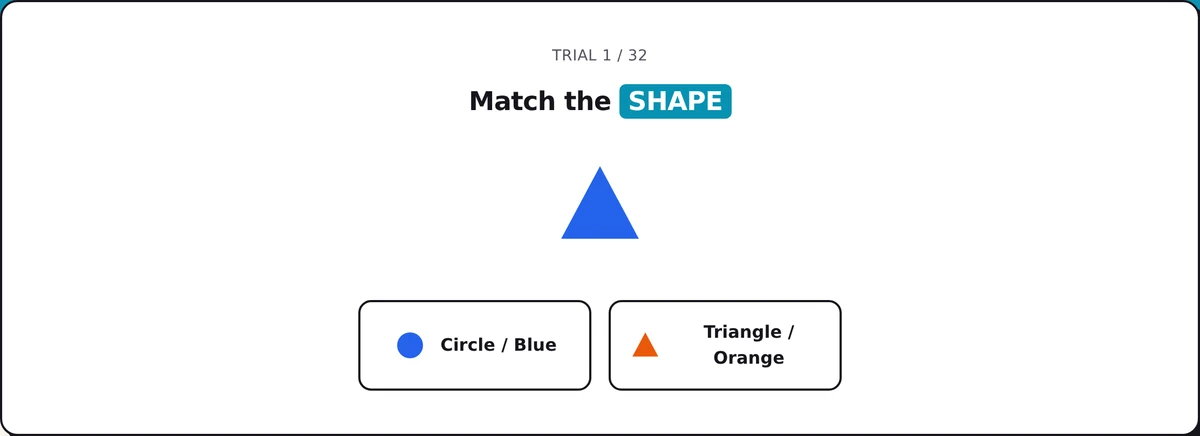
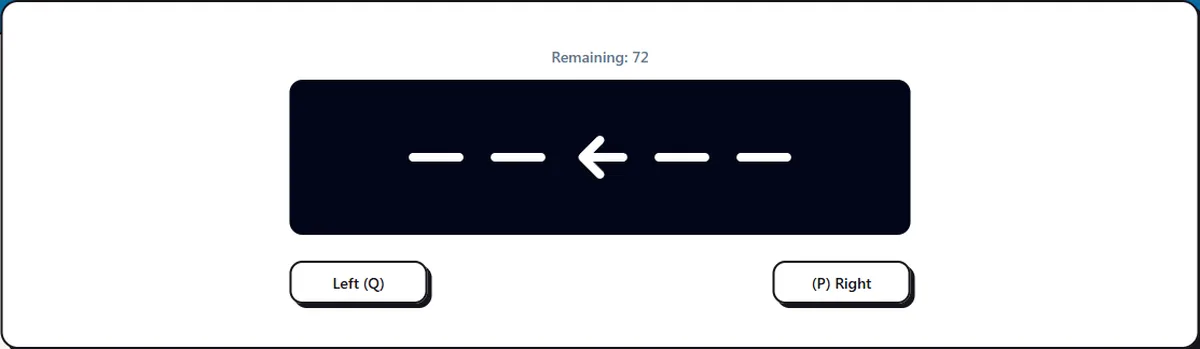
The flanker "arrows" test builds selective attention — ignoring distractors and responding only to the relevant signal. That focus keeps error rates low on checking-style and speeded tasks. Train it at /practice/flanker-arrows-test.
The PwC process and timeline
A typical PwC journey runs: online application, then Career Unlocked (and any ability tests your route adds), then a recorded video interview, then a virtual or in-person assessment centre, and finally a partner or director conversation. Timelines shift with intake volume and whether you applied early in the cycle. Because Career Unlocked runs on Arctic Shores, the Arctic Shores assessment guide is your closest companion, and the HireVue games explained guide covers the video and game layer. For the wider picture across employers, start with the complete guide to HireVue game-based assessments. If you are also applying to other Big Four firms, our Deloitte and EY walkthroughs pair well here.
How to prepare in 3 days
Find a quiet room, a stable connection, and a device you trust — the same setup you will use on the day. Day one: take a cold run through numerosity and mental math without warming up, and note where accuracy slips or the clock beats you. That is your weak spot. Day two: hammer that weakness in focused blocks — if numerical fluency is shaky, do short mental-math sets with rests between, and add flanker rounds to sharpen focus. Day three: do one full run across all four games as a dress rehearsal, then stop early and rest. Sleep and a clear head move your speed more than one extra hour of cramming.
FAQ
Does PwC use the same games for every programme? No. Audit, Consulting and Technology intakes, and the Flying Start route, can draw on different modules and time limits. Your invite email lists what you will actually sit.
Can I retake the PwC assessment if I do badly? Generally not within the same application cycle. Your result usually stands for that application, so treat the first attempt as the real one and rehearse beforehand.
Are these your exact real PwC games? No — these are independent practice versions of the same skill types. They train the underlying reasoning and attention; they are not copies of PwC's live tasks.
GamePrep is an independent practice platform and is not affiliated with PwC, Arctic Shores, Aon, cut-e or HireVue. Hiring processes change — verify details against your assessment invitation. We provide practice only — no leaked questions or answers.