McKinsey Plant Defense Game: How It Works & How to Practice
The McKinsey Plant Defense game is a tower-defense-style task where you place defenders to protect a plant from waves of invaders. Here is what candidates report, what it really measures, and how to train the planning and quick adjustment it demands for free.
TL;DR: The McKinsey Plant Defense game is a task in the McKinsey Solve assessment (formerly Imbellus) that plays like tower defense: you position defenders across a terrain to stop successive waves of threats reaching a plant. It measures planning, prioritisation, and the ability to adapt as new information arrives — and Solve logs how you decide, not only whether you survive. You cannot rehearse the exact game, but the planning and quick, calm adjustment behind it are trainable for free.
What the Plant Defense game is
Candidates describe a map with a plant or region to protect, a set of defenders or barriers you can place, and waves of invaders that arrive over several turns. Before each wave you get information about what is coming, and you decide where to position your limited resources to hold the line. Terrain features matter — some paths are easier to defend than others — so placement is a real decision, not a formality.
It sits inside McKinsey Solve, the assessment that grew out of what applicants used to call the Imbellus test or the Problem Solving Game. As with the rest of Solve, the specifics shift between versions, and McKinsey does not publish the rules. Whatever a forum thread describes, your official invitation and its tutorial are the only account you should fully trust.
What it actually measures
Underneath the game art, Plant Defense is about planning under constraints and adapting to new information. You have limited resources, incomplete knowledge of future waves, and terrain that rewards thinking ahead. Good play looks like: read the incoming threat, prioritise the most vulnerable routes, commit resources deliberately, then revise your setup as the waves reveal more.
The two capacities in view are strategic planning (allocating scarce resources against a changing threat) and adaptability (updating your plan without panicking when the first approach falls short). There is a mild time-pressure element too, so composure matters.
As everywhere in Solve, process data is recorded. The tool can see how you respond after a wave breaks through, whether you adjust methodically or thrash, and how you balance defending now versus preparing for later. That is why there is no single "winning layout" to memorise — the assessment is partly grading the quality of your decisions along the way.
How to practise the skills (free)
You cannot practise the real Plant Defense game, but you can train the muscles it uses: planning a route through constraints, adjusting calmly under mild pressure, and inferring rules quickly.
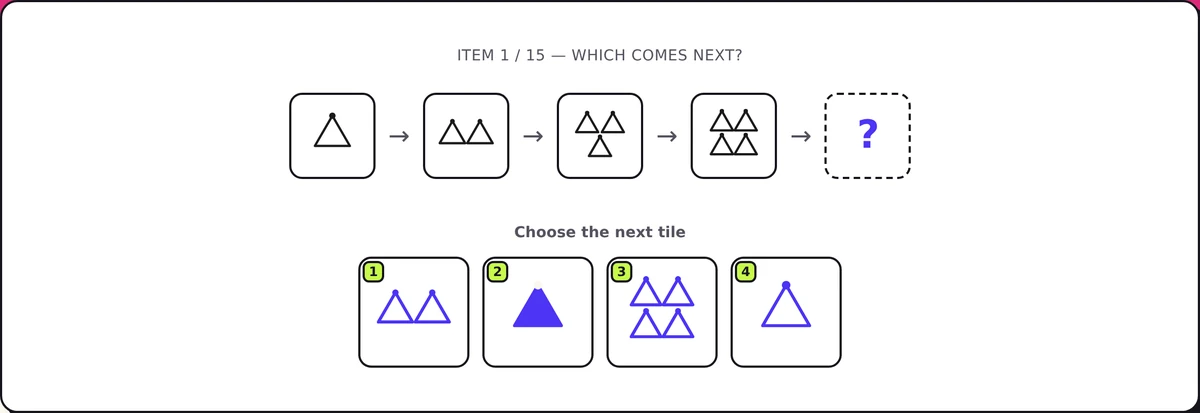
Use the pathfinder puzzle to rehearse planning a solution across a constrained space and re-planning when conditions change — the same commit-then-adapt loop the waves force on you. Add the reaction time test so that when the pace picks up your responses stay smooth rather than rushed, and inductive reasoning to get faster at reading a pattern (here, the shape of an incoming threat) and responding to it correctly.
These build the underlying skills, not a copy of the McKinsey task. What transfers is the working style: anticipate, prioritise, place deliberately, and adjust without losing your head.
The rest of McKinsey Solve
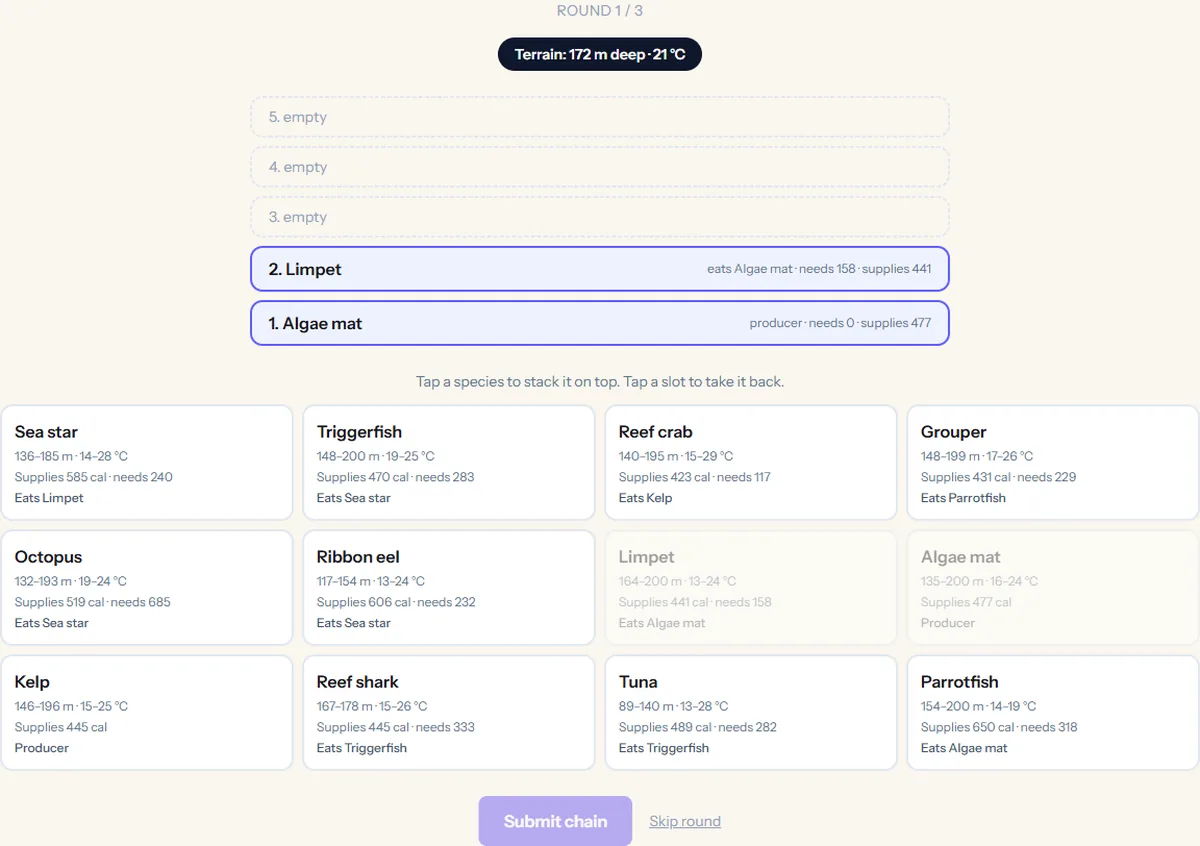
Plant Defense is one of several modules. The McKinsey Solve game guide explains the full assessment and its scoring, and the complete guide to game-based hiring assessments shows how McKinsey compares with HireVue, pymetrics, and Arctic Shores.
The best-known Solve task is covered in the McKinsey Ecosystem Building game guide — worth reading, since both games reward the same methodical planning.
FAQ
Is Plant Defense just a video game? It borrows the tower-defense format, but it is built to observe how you plan, prioritise, and adapt with limited resources. The "game" is a wrapper around a decision-making assessment.
Can I get the answers or an optimal layout? No. The maps and waves vary, and Solve grades your process — how you decide and adjust — as much as the outcome. A memorised layout would not survive a changed map or reproduce the deliberate reasoning the tool is watching for.
How important is speed versus strategy? Strategy first. There is time pressure, but a well-prioritised, well-placed defence beats fast, scattered clicking. Stay composed and decide deliberately.
What is the most common mistake? Spreading resources thinly everywhere instead of defending the routes that actually matter, then panicking when a wave breaks through. Anticipate, concentrate your defence, and adjust calmly.
GamePrep is an independent practice platform and is not affiliated with McKinsey & Company. McKinsey does not publish its game rules and the Solve assessment changes — verify everything against your invitation. We provide related skills practice only — no leaked questions or answers.